

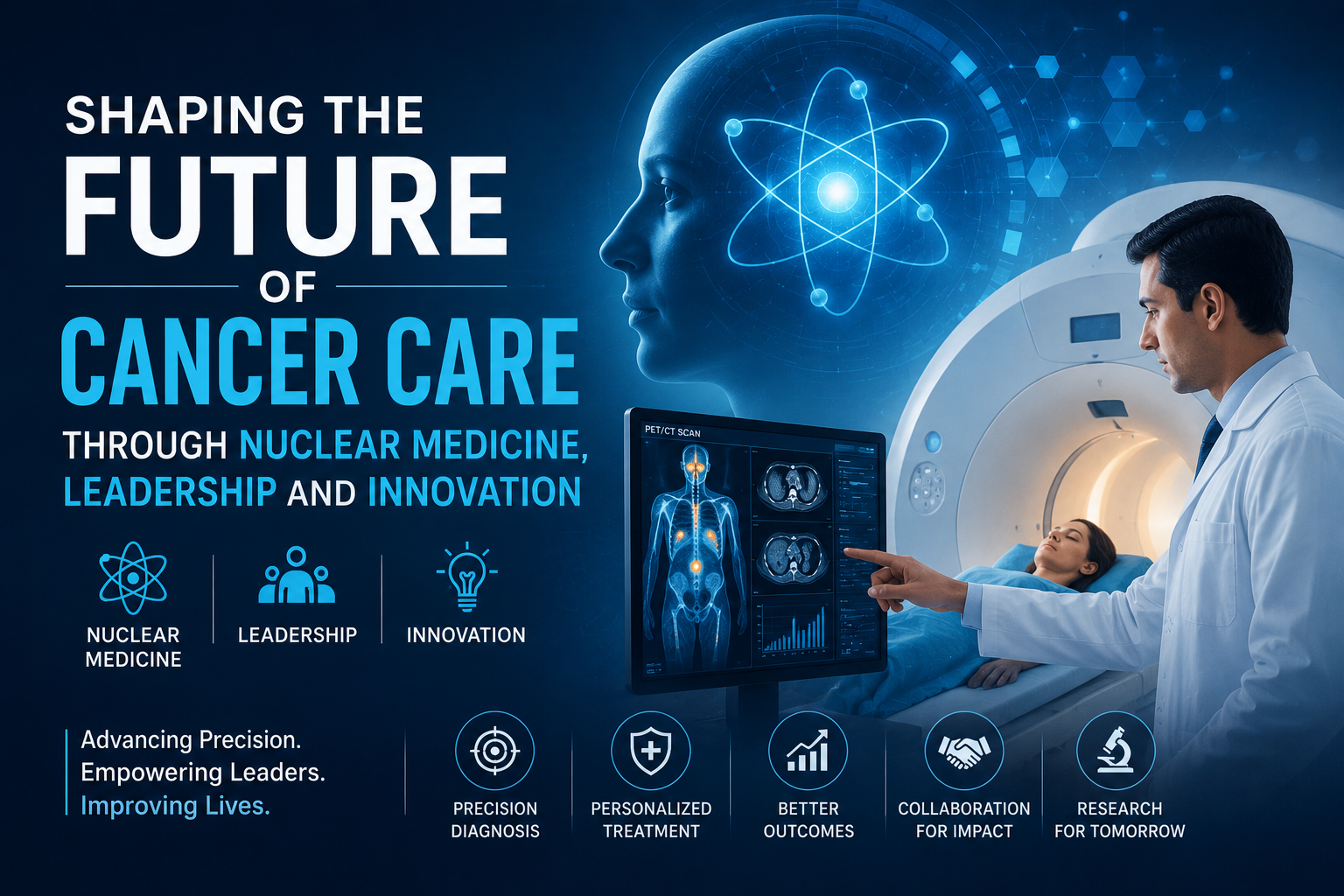
Introduction
Renaud Dehareng is the Group Chief Executive Officer of Curium, a global nuclear medicine company focused on radiopharmaceutical solutions. Curium states that Dehareng became CEO in 2012, with a vision of developing the organization into a global leader in nuclear medicine. He has been part of Curium and its predecessor companies since 2009, previously serving as Group COO and CEO Europe.
Renaud Dehareng is the Group Chief Executive Officer of Curium, a global nuclear medicine
company focused on radiopharmaceutical solutions. Curium states that Dehareng became CEO in
2012, with a vision of developing the organization into a global leader in nuclear medicine. He has
been part of Curium and its predecessor companies since 2009, previously serving as Group COO and
CEO Europe. Before entering the nuclear medicine sector, he worked in Arthur Andersen’s strategic
consulting division after graduating from Warwick Business School. Under his leadership, Curium has
developed a larger, vertically integrated global organization, with a focus on compliance, service
reliability, operational excellence, and new product development.
His professional perspective is particularly relevant to the transformation of nuclear medicine
because his leadership has combined business strategy, global infrastructure, operational execution,
and product development. Curium also describes his achievement in bringing together a worldwide
team of more than 2,000 employees around the company's vision and strategy.
Leadership Journey: Experiences That Shaped His Vision
Renaud Dehareng’s leadership perspective has been shaped by the realization that effective
executive leadership is less about personally controlling every aspect of a business and more about
creating the conditions for talented people to succeed. In discussing his career, he has described
how his approach evolved from trying to manage many responsibilities himself toward concentrating
on strategic direction and motivating teams to execute effectively. This shift reflects a broader
understanding of leadership as a balance between setting clear priorities and giving experienced
people the space to contribute.
That philosophy also places purpose at the center of leadership. Dehareng has emphasized the
importance of helping employees understand how their individual work connects with the
organization’s wider mission and, ultimately, with patients. His approach therefore extends beyond
commercial performance to include communication, empowerment, accountability, and shared
purpose. These lessons have helped shape a leadership style focused on building capable teams,
aligning people around common objectives, and maintaining momentum in an industry where
scientific, operational, and healthcare considerations intersect.
Where He Sees Nuclear Medicine Going Next
Renaud Dehareng highlights the sector’s movement toward more precise and personalized
approaches to patient care. Advances in molecular imaging and targeted radiopharmaceutical
therapies are creating opportunities to connect diagnosis and treatment more closely, particularly in
oncology. For Dehareng, this evolution reflects a broader change in healthcare, where understanding
individual disease characteristics can help clinicians make more informed treatment decisions. He
sees the continued development of nuclear medicine as an opportunity to strengthen its role within
modern precision medicine while addressing the growing need for effective and patient-focused
care.
Looking ahead, Dehareng views the sectors potential through both clinical advancement and
broader accessibility. The expansion of theranostics, continued scientific research, and
improvements in radiopharmaceutical capabilities could open new possibilities for patients and
healthcare providers. At the same time, realizing this potential requires dependable manufacturing,
specialized infrastructure, regulatory expertise, and coordinated distribution. His perspective
therefore extends beyond innovation itself: the future of nuclear medicine will depend on the
industry's ability to translate scientific progress into reliable, scalable solutions that can reach
patients across different healthcare systems.
Why Innovation Must Create Real Value
For Renaud Dehareng, innovation extends beyond developing new technologies; it involves turning
scientific advances into practical healthcare value through product innovation, R&D, theranostic
development, and process improvement. In nuclear medicine, this means advancing
radiopharmaceutical solutions while strengthening the manufacturing and quality processes needed
to bring them reliably to patients. By connecting scientific research with operational capabilities and
real healthcare needs, Dehareng views innovation as a strategic business tool that can strengthen
clinical value, support sustainable growth, and help expand the role of nuclear medicine in precision
care.
Technology’s Role in Changing Cancer Care
Technology is reshaping nuclear medicine by enabling more precise approaches to diagnosis and
treatment. Molecular imaging helps clinicians identify and characterize disease at the molecular
level, while radiopharmaceuticals can deliver radioactive compounds to specific biological targets
for diagnostic imaging or therapeutic purposes. Theranostics brings these capabilities together by
using related diagnostic and therapeutic approaches to identify suitable patients and guide targeted
treatment. For Renaud Dehareng, these technologies represent an important pathway toward more
personalized cancer care, helping clinicians make treatment decisions based on the characteristics of
an individual patient’s disease rather than relying solely on broad treatment approaches.
Turning Innovation Into Lasting Impact
For Renaud Dehareng, turning innovation into lasting value requires more than introducing new
technologies; it depends on building the capabilities needed to scale them effectively across
markets. In nuclear medicine, this means connecting innovation with efficient manufacturing,
resilient supply chains, regulatory readiness, and reliable delivery systems. As organizations expand
internationally, leadership must balance local market requirements with consistent standards and
operational performance. Dehareng’s approach emphasizes strengthening these foundations so that
scientific progress can translate into sustainable business growth and broader patient access. By
aligning innovation with global capabilities, organizations can improve efficiency, respond to
changing healthcare needs, and create long-term value while supporting the dependable delivery of
advanced cancer-care solutions.
Why Collaboration Matters in Cancer Care
Renaud Dehareng sees collaboration as an important part of advancing cancer care, particularly as
nuclear medicine brings together science, healthcare, technology, and pharmaceutical expertise.
Partnerships with researchers can support new scientific discoveries, while cooperation with
healthcare providers helps connect innovation with real clinical needs. Relationships with technology
companies and pharmaceutical organizations can further strengthen the development and
application of emerging solutions. For Dehareng, such an ecosystem allows different areas of
expertise to come together, helping shorten the path from research to clinical use and creating
opportunities for more effective and personalized approaches to cancer care.
Turning Complexity Into Opportunity
Nuclear medicine operates within a highly complex environment where regulation, infrastructure
requirements, specialized talent, accessibility, and supply continuity can influence how quickly
innovations reach patients. For Renaud Dehareng, addressing these challenges requires leaders to
look beyond individual obstacles and build practical strategies that strengthen resilience across the
healthcare ecosystem. This includes anticipating regulatory requirements, developing the right
expertise, and improving the systems that support consistent access to radiopharmaceutical
solutions. By approaching complexity as an opportunity for improvement, strategic leadership can
help organizations adapt to changing conditions while creating a stronger foundation for the
continued advancement of cancer care.
Keeping Patients at the Center
For Renaud Dehareng, the value of progress in nuclear medicine is ultimately measured by its ability
to improve the experience and outcomes of patients. He emphasizes the importance of connecting
scientific advancement with real healthcare needs, while ensuring that emerging approaches can
become accessible to more people. As cancer care becomes increasingly personalized, he sees an
opportunity to place patients at the center of innovation by supporting more informed treatment
decisions and expanding access to advanced solutions. This perspective reflects a broader
responsibility for healthcare leaders ensuring that progress is not defined only by new technologies,
but by the meaningful difference those advances can make in patients’ lives.
Conclusion
Renaud Dehareng’s perspective reflects a broader transformation taking place in cancer care, where
scientific progress, leadership, collaboration, and patient-focused innovation are increasingly
connected. His approach highlights the importance of turning advances in nuclear medicine into
practical solutions that can support more precise and personalized care. As the field continues to
evolve, stronger innovation ecosystems, resilient capabilities, and responsible leadership will remain
important to expanding its potential. The future of cancer care will depend not only on what new
technologies can achieve, but also on how effectively the industry brings those advances to patients.
For Dehareng, lasting progress ultimately means combining innovation with purpose to create
meaningful impact across healthcare.